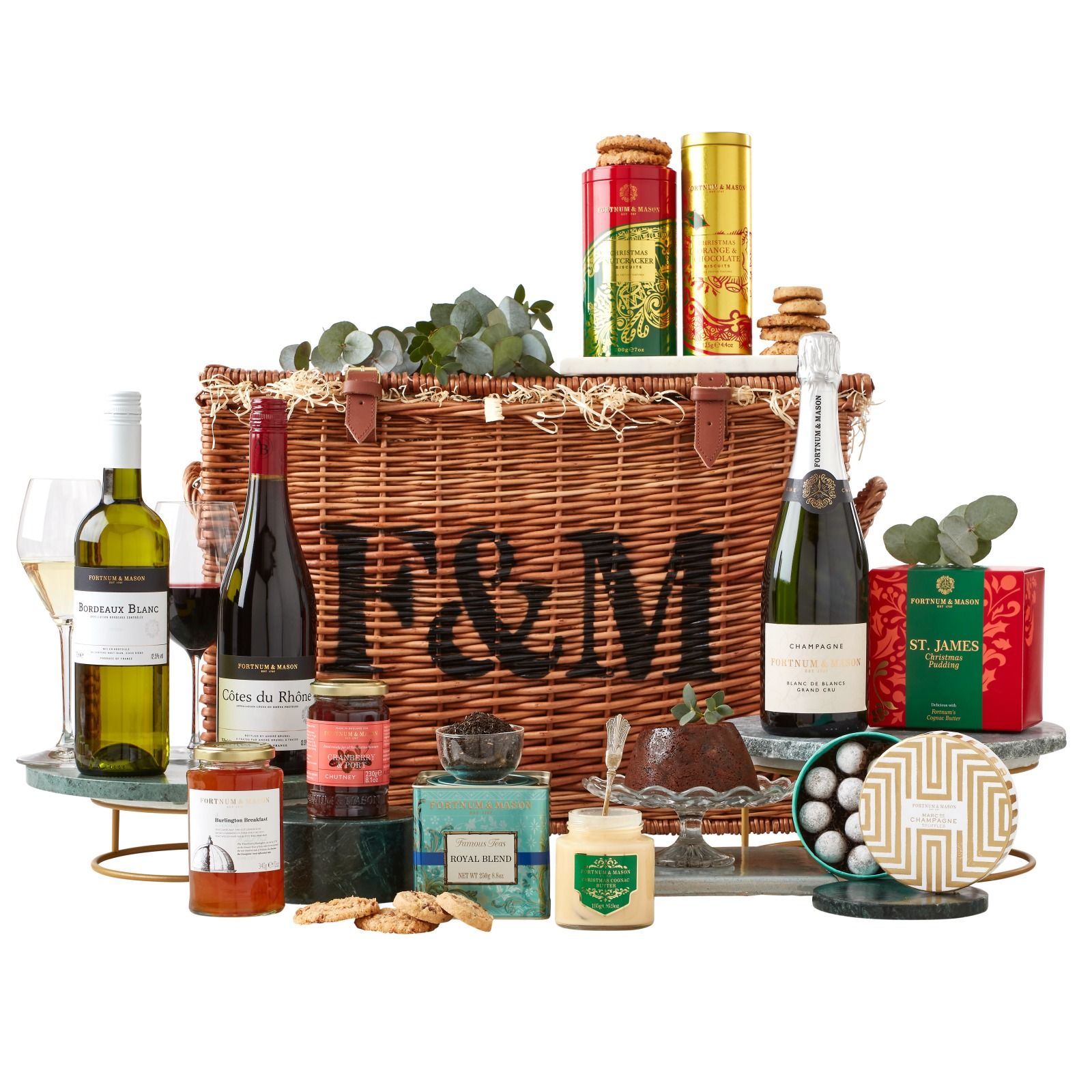
When you think of a premium hamper, you picture a tasteful arrangement of artisanal cheeses, crisp crackers, and a bottle of vintage wine, all wrapped in a velvet ribbon. The visual is elegant, the experience indulgent, and the price point reflects that luxury. But behind every flawless hamper lies a hidden choreography of sourcing, logistics, and risk mitigation. In this guide, we’ll explore how to manage supplier diversification for premium hampers—the secret sauce that keeps your business resilient, profitable, and ready to wow even the most discerning customers.
The Foundation: Why Supplier Diversification Matters
Imagine you’ve built a reputation for delivering the finest hampers. One day, your primary supplier of truffle oil runs out of stock. Suddenly, your entire inventory is at risk, and customers start to wonder if you can deliver on time. This scenario isn’t hypothetical; it’s a real threat that can cripple a small or medium-sized hamper business.
https://www.slideserve.com/aearneoxzk/how-to-verify-sustainability-of-your-christmas-hamper-a-practical-guideThe Risks of a Single Supplier
- Supply chain disruptions: Natural disasters, factory shutdowns, or geopolitical tensions can halt production. Price volatility: A single supplier may hike prices once demand spikes. Quality control issues: One mistake can tarnish your brand’s reputation.
By diversifying suppliers, you create a safety net that catches these disruptions. Think of it as a safety net for your hamper dreams—if one rope snaps, the others keep you grounded.
The Business Benefits
- Cost stability: Competitive bidding keeps prices in check. Quality assurance: Multiple sources allow you to compare standards. Innovation: New suppliers bring fresh ideas and unique products.
These benefits translate into higher margins, happier customers, and a stronger brand.
Building a Diversified Supplier Portfolio
Start with a Clear Strategy
Before you start reaching out to new vendors, define your objectives. Are you Exclusive hampers looking to reduce cost, increase product variety, or mitigate risk? A clear strategy ensures every new supplier aligns with your long-term goals.
Identify Potential Suppliers
- Local artisans: They often have niche products that add exclusivity. Regional cooperatives: They can offer bulk discounts while maintaining quality. International partners: Exotic items like saffron or rare chocolates can set your hampers apart.
Research each supplier’s track record, certifications, and customer reviews. A quick anecdote: I once sourced a single batch of lavender honey from a boutique farm. When the farm faced a sudden frost, the honey supply vanished. The lesson? Even seemingly reliable suppliers can falter.
Vetting Process
- Quality samples: Test the product under your brand’s standards. Compliance checks: Verify certifications (organic, fair trade, etc.). Financial health: Ensure the supplier can sustain operations long-term.
A robust vetting process reduces the risk of future headaches.
Negotiating Terms
- Pricing tiers: Secure volume discounts without compromising quality. Lead times: Align delivery schedules with your hamper assembly timeline. Return policies: Protect against defective or unsold items.
Remember, a well‑structured contract is your roadmap to a smooth partnership.
Managing Relationships: The Human Touch
Communication is Key
Regular check-ins—whether via email, phone, or video—keep the relationship healthy. Share forecasts, discuss upcoming trends, and address any concerns promptly.
Building Trust
- Transparency: Share your sales data and forecasts to help suppliers plan. Fairness: Pay on time and honor commitments. Feedback loops: Offer constructive criticism and acknowledge improvements.
A trustworthy partnership can turn a supplier into a strategic ally.
Cultural Sensitivity
When working with international suppliers, be mindful of cultural nuances. Small gestures, like sending a holiday card, can strengthen bonds and foster loyalty.
Measuring Success and Adjusting the Mix
Key Performance Indicators (KPIs)
- Delivery reliability: % of on-time deliveries. Cost variance: Difference between budgeted and actual costs. Quality defects: Number of complaints or returns per batch.
Track these metrics monthly to spot trends early.
Continuous Improvement
If a supplier consistently underperforms, consider renegotiation or replacement. Conversely, if a new partner excels, you might increase orders or negotiate exclusive terms.

The “Stitch in Time” Principle
Addressing issues early prevents small problems from becoming major setbacks. In the long run, this proactive mindset saves time, money, and reputation.
The Perfect Gift Awaits
Managing supplier diversification for premium hampers isn’t just a logistical exercise; it’s a strategic dance that ensures every hamper delivers delight. By building a resilient supply chain, nurturing supplier relationships, and continuously measuring performance, you create a foundation that lets your business thrive even when the unexpected occurs.
Remember the quote that started this journey: “Quality is never an accident; it is always the result of high intention, sincere effort, intelligent direction, and informed execution.” (William A. Foster). Apply that mindset to every supplier interaction, and your hampers will not only look good—they’ll feel right.
Ready to elevate your hamper business? Start mapping out your supplier diversification plan today, and watch your premium hampers become the gold standard in gifting.